
Did you know? Interesting facts about Mānuka honey.
Chemical tests have shown that mānuka/kahikātoa pollen, and honey derived from it, contains powerful insecticides and anti-bacterial agents that can help fight intestinal worms and bacterial infections.
Mānuka Honey comes from the nectar of the Mānuka tree which has the botanical name Leptospermum scoparium, and belongs to the myrtle family, Myrtaceae. Whilst commonly known as mānuka to Māori throughout New Zealand, this species is also known as kahikatoa to some tribes.
Mānuka is an evergreen tree with dense branching that typically grows as a shrub or small tree up to about 4 metres tall. Sometimes it grows much taller, sometimes it grows stunted, all depending on growing conditions. It has sharp-tipped leaves and white or sometimes pink-flushed flowers, with distinctive short, dark red stamens, and nut-like seed capsules.
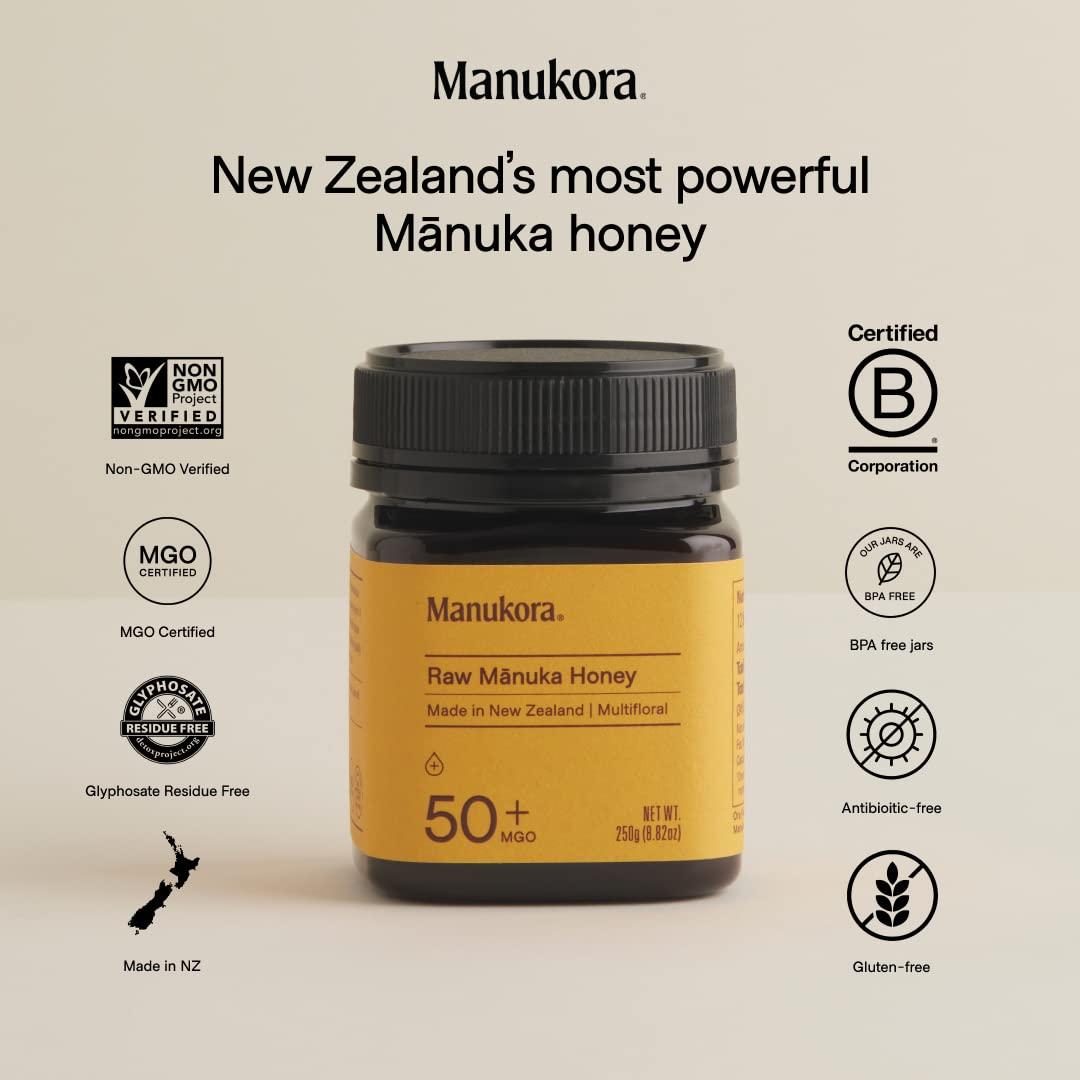
Mānuka/kahikātoa pollen, and honey derived from it, contains powerful insecticides and anti-bacterial agents that can help fight intestinal worms and bacterial infections.
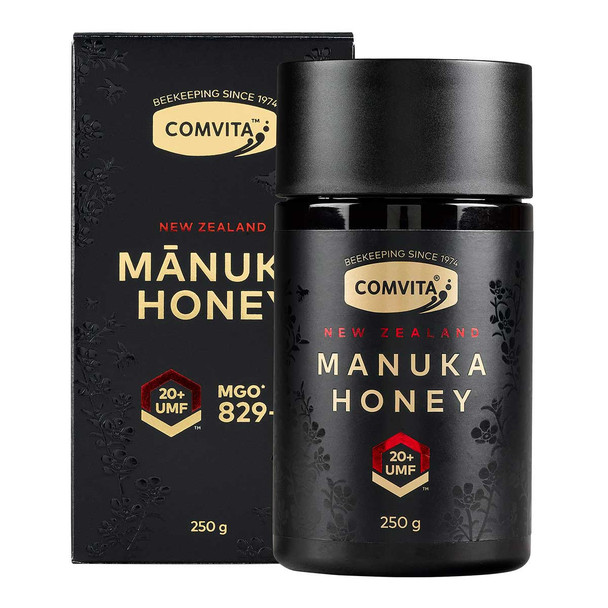
Mānuka Honey.
Why Mānuka is so unique?
Mānuka has grown in New Zealand’s unique climate and geology, separate from the rest of the world for millions of years. Over this time, the Mānuka tree has developed resistance to many threats such as disease and microbial attack that can emerge from the many habitats it occupies. The system of defense in the Mānuka tree is composed largely of antibacterial, antiseptic, antifungal and anti-inflammatory properties in its leaves and bark.
Mānuka/kahikātoa oil is now sold in New Zealand and overseas in various cosmetics and health care products.
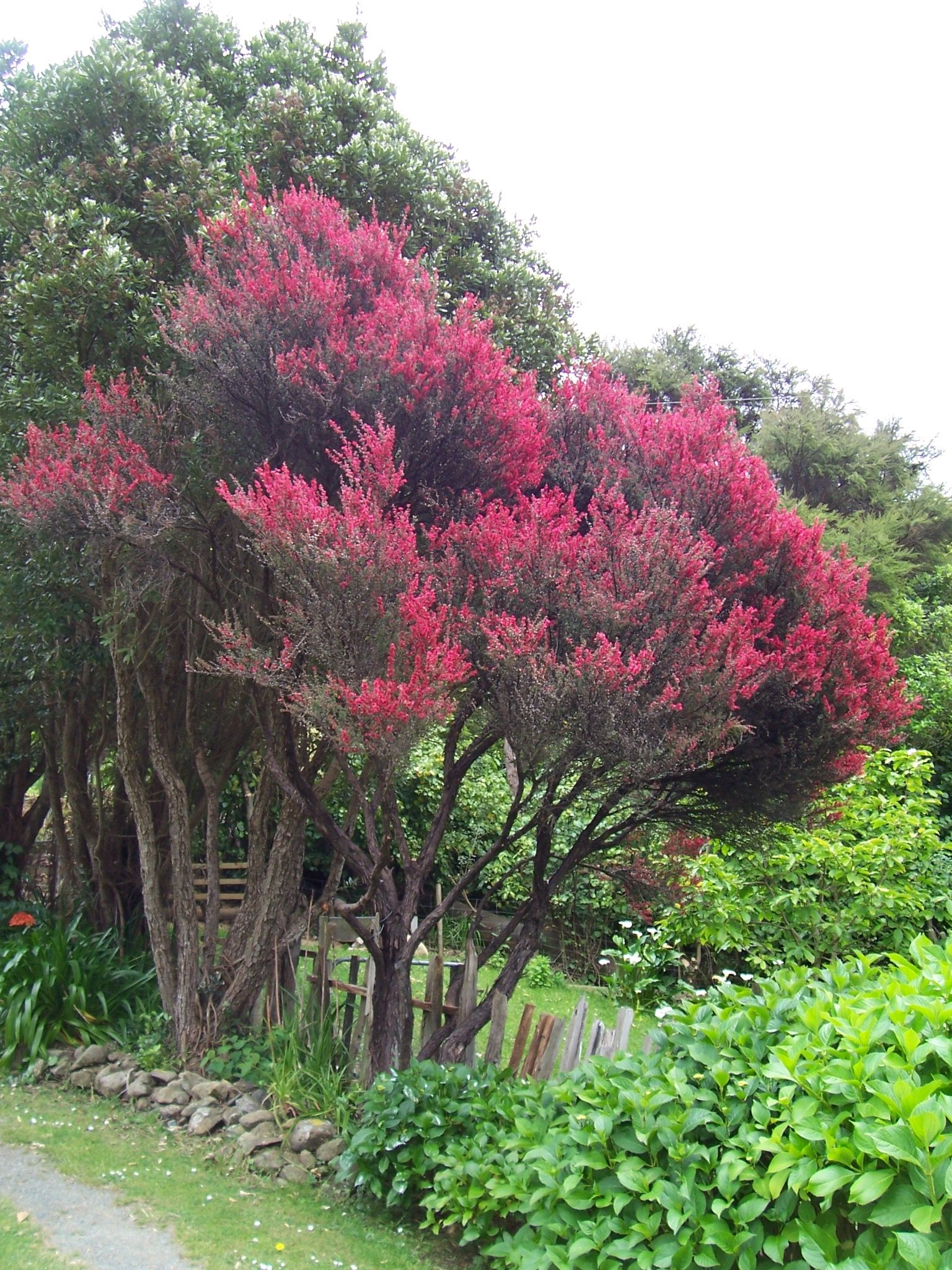
Mānuka Honey comes from the nectar of the Mānuka tree.
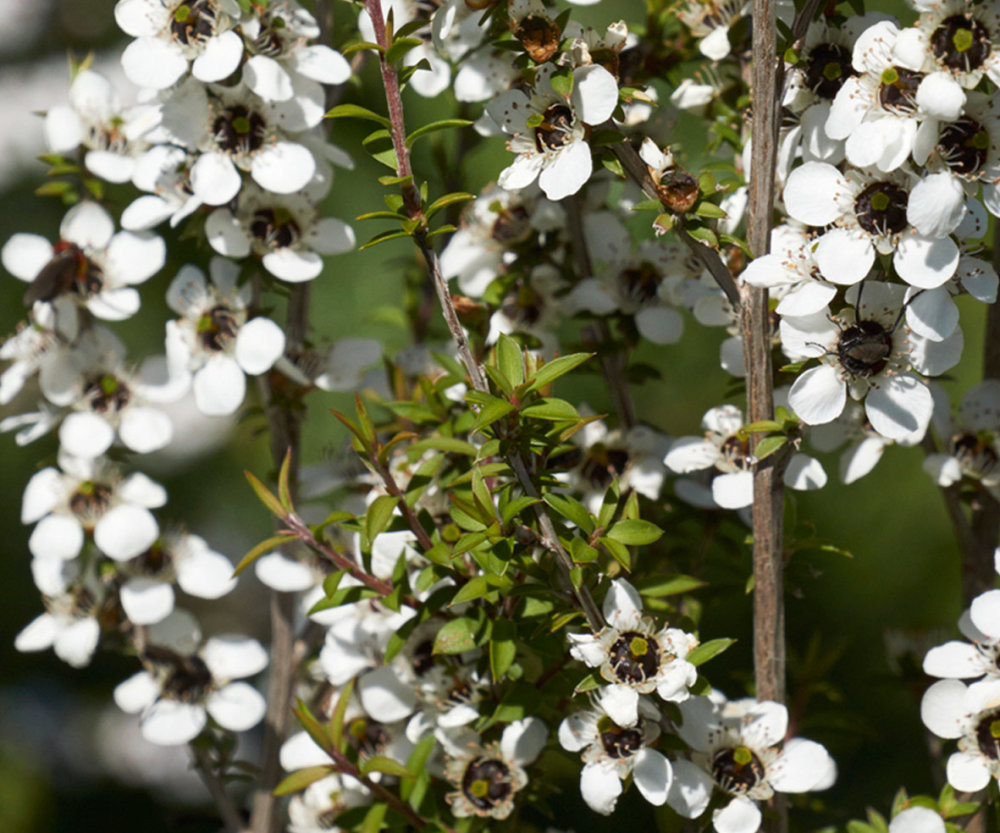
Mānuka is an evergreen tree with dense branching that typically grows as a shrub or small tree up to about 4 metres tall.
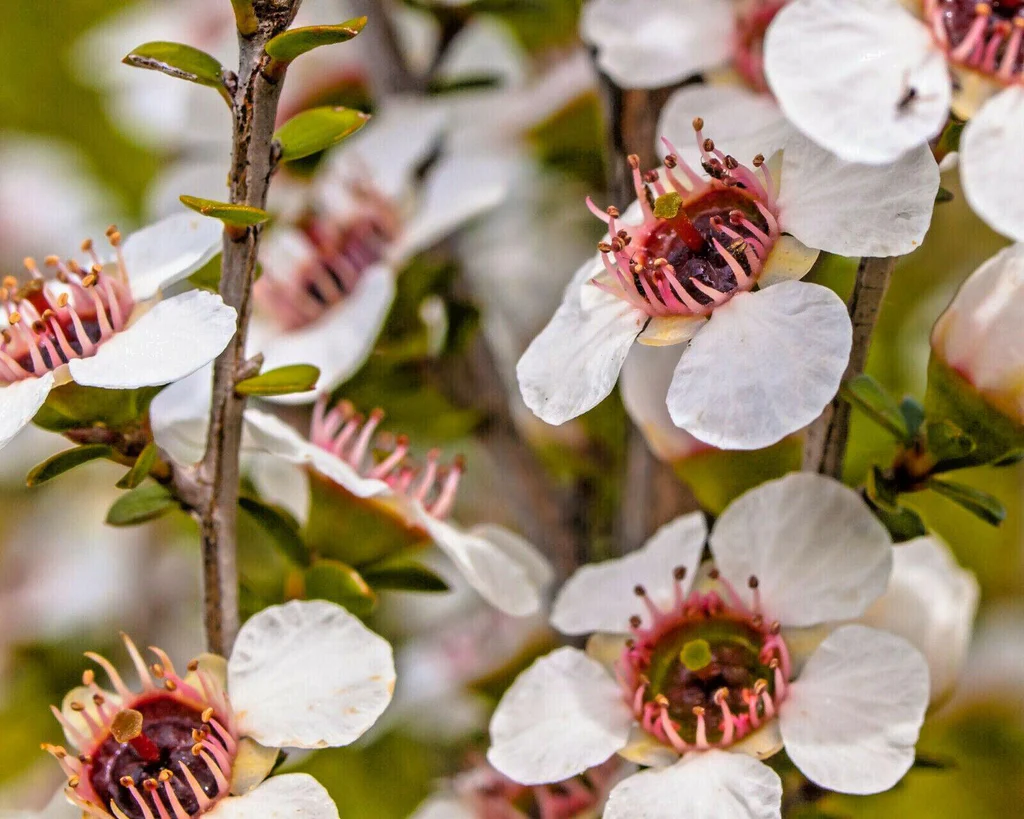
Mānuka Honey comes from the nectar of the Mānuka tree which has the botanical name Leptospermum scoparium.
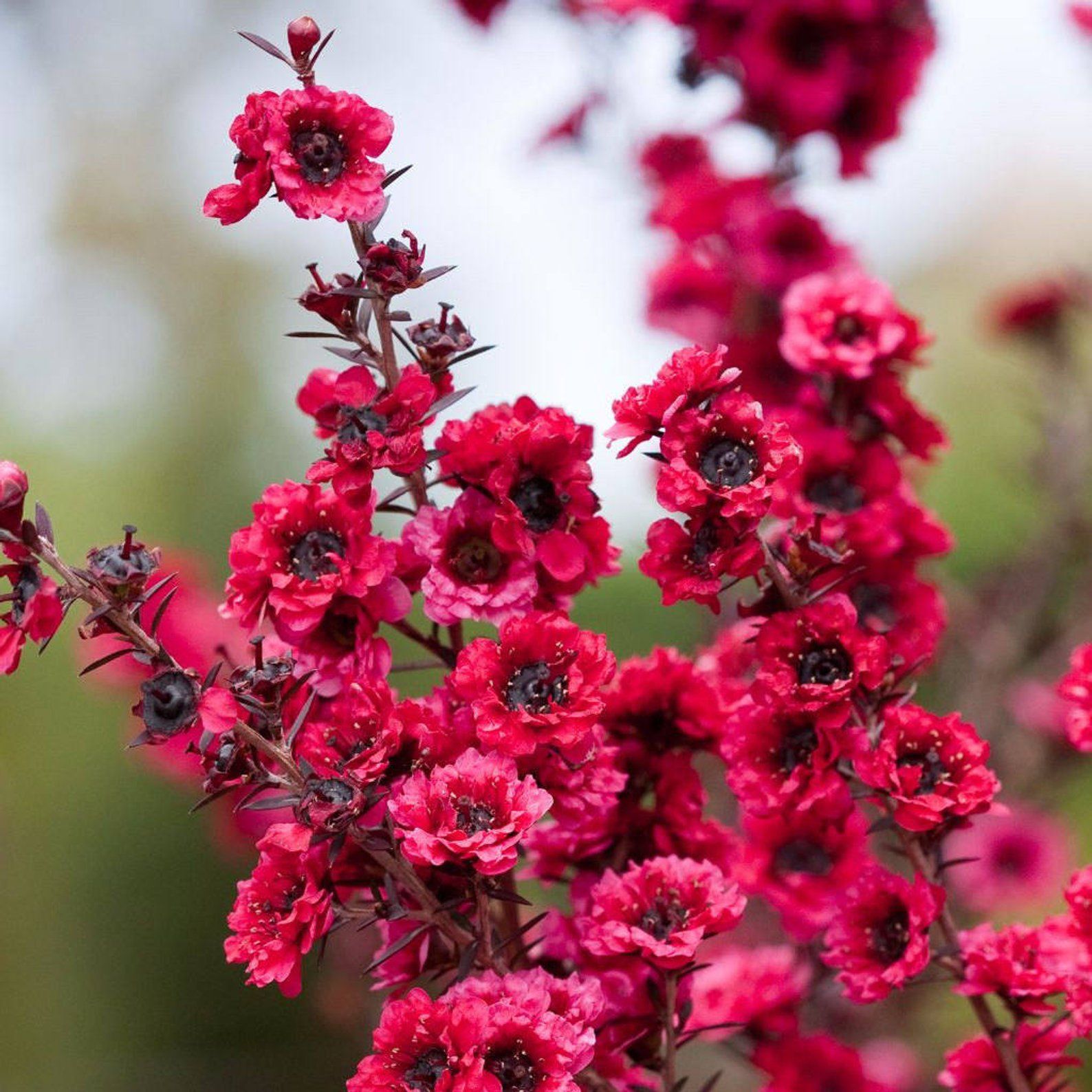
Mānuka has grown in New Zealand’s unique climate and geology.
For millions of years the Mānuka tree has developed resistance to many threats such as disease and microbial attack that can emerge from the many habitats it occupies.
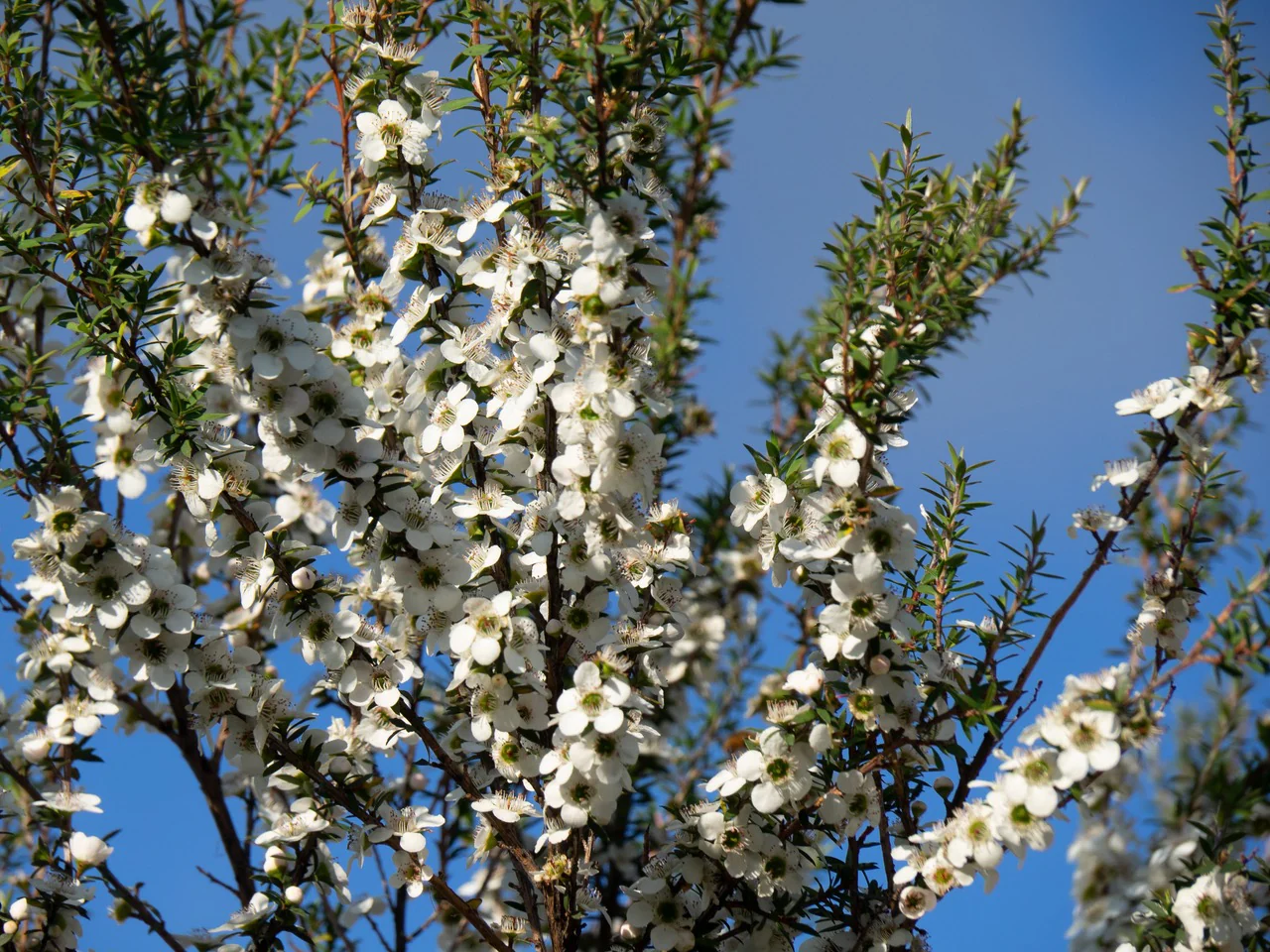
The system of defense in the Mānuka tree is composed largely of antibacterial, antiseptic, antifungal and anti-inflammatory properties in its leaves and bark.
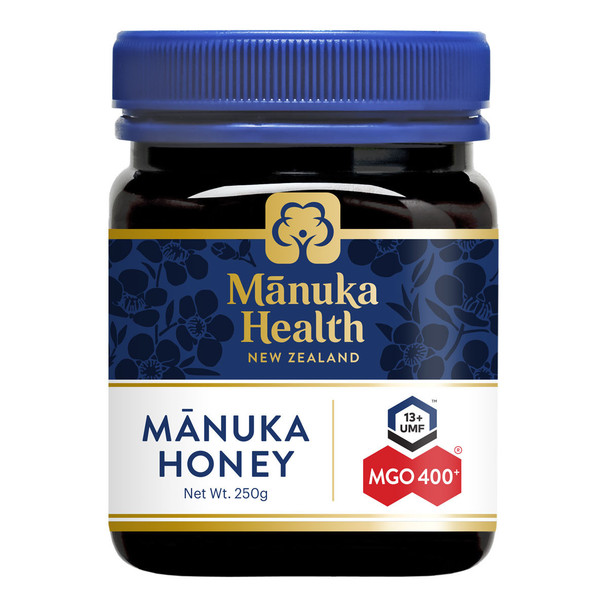
Various Mānuka products are now sold in New Zealand and overseas in various cosmetics and health care products.
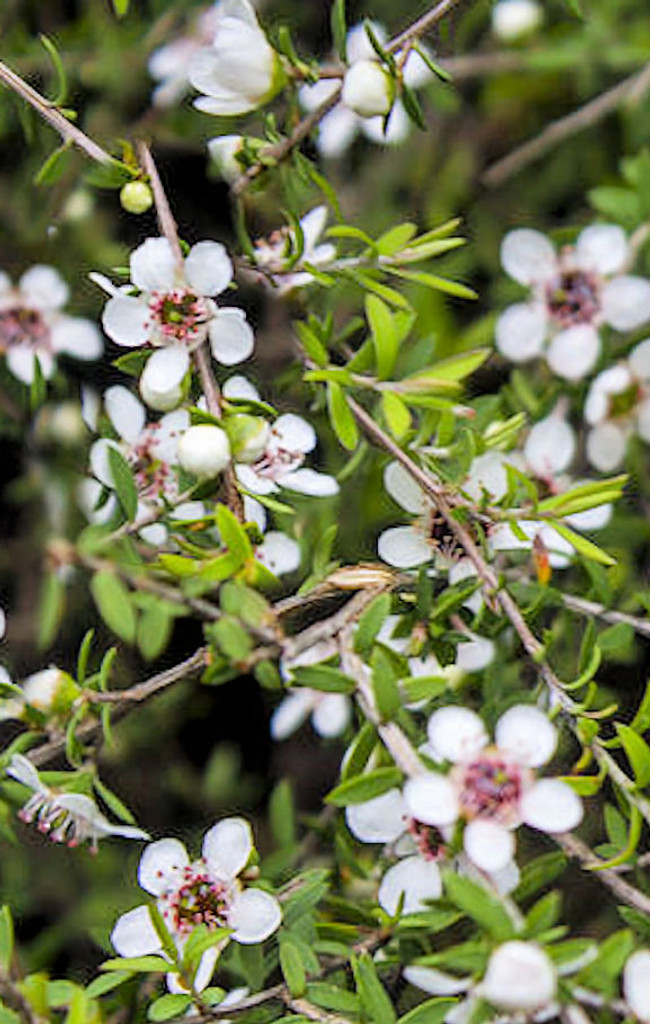
Mānuka Honey comes from the nectar of the Mānuka tree.